For students in rural communities, education is not only about what is learned in class. It is about confidence, opportunity, and the belief that a different future is possible.
As the school year comes to an end in the Philippines, this is a powerful moment to reflect on what education really gives students, not just academically, but in life.
Confidence is one of the most valuable outcomes of education.
When students learn, solve problems, and overcome challenges, they begin to trust themselves. This self belief does not disappear when the school year ends. It carries into everyday decisions, relationships, and future goals.
Education builds confidence by:
For students facing limited resources, confidence can be transformative. It helps them advocate for themselves, persist through challenges, and imagine futures that once felt out of reach.
How to support confidence through education:
Confidence is not taught directly. It is built through experience, support, and belief.
Academic knowledge is important, but life skills help students navigate the world.
Skills like resilience, communication, adaptability, and teamwork are developed through learning experiences both inside and outside the classroom. These skills support students throughout their lives.
Life skills gained through education include:
For students in rural communities, life skills are especially critical. They help students manage uncertainty, respond to challenges, and remain motivated even when resources are limited.
Practical ways education builds life skills:
Education prepares students not just to pass exams, but to navigate life with confidence and purpose.
Access to education shapes opportunity.
When students have access to learning resources, teachers, and supportive environments, they gain the tools needed to shape their own futures. Education influences employment options, independence, and long term wellbeing.
Access to education helps students:
In communities where access is limited, barriers can compound over time. A lack of supplies, inconsistent schooling, or financial pressure can restrict opportunity.
This is why access matters so deeply. It is not about privilege. It is about fairness.
How support improves access:
When access improves, opportunity expands.
Education does not impact students alone. It influences entire families and communities.
When students learn, they bring knowledge home. They model new possibilities. They become leaders, mentors, and advocates within their communities.
Education strengthens communities by:
Families benefit when students gain confidence and skills. Communities grow stronger when education is valued and supported.
This ripple effect is why education support matters beyond individual outcomes. It creates generational change that lasts far beyond one school year.
Ways communities can support education:
Education lifts more than one person at a time.
Learning does not stop when classes finish.
The end of the school year is a transition, not a conclusion. Continued learning helps students maintain confidence, curiosity, and momentum as they prepare for what comes next.
Learning beyond the school year:
For students in rural communities, breaks in learning can widen gaps. Continued access to resources and encouragement helps maintain progress.
How to support learning continuity:
Education shapes futures most effectively when it is continuous, supported, and valued beyond the classroom.
As the school year ends in the Philippines, students stand at a turning point. The lessons they carry forward will shape their next steps in learning and life.
Education beyond the classroom builds confidence, resilience, and opportunity. It supports not only students, but families and communities as well.
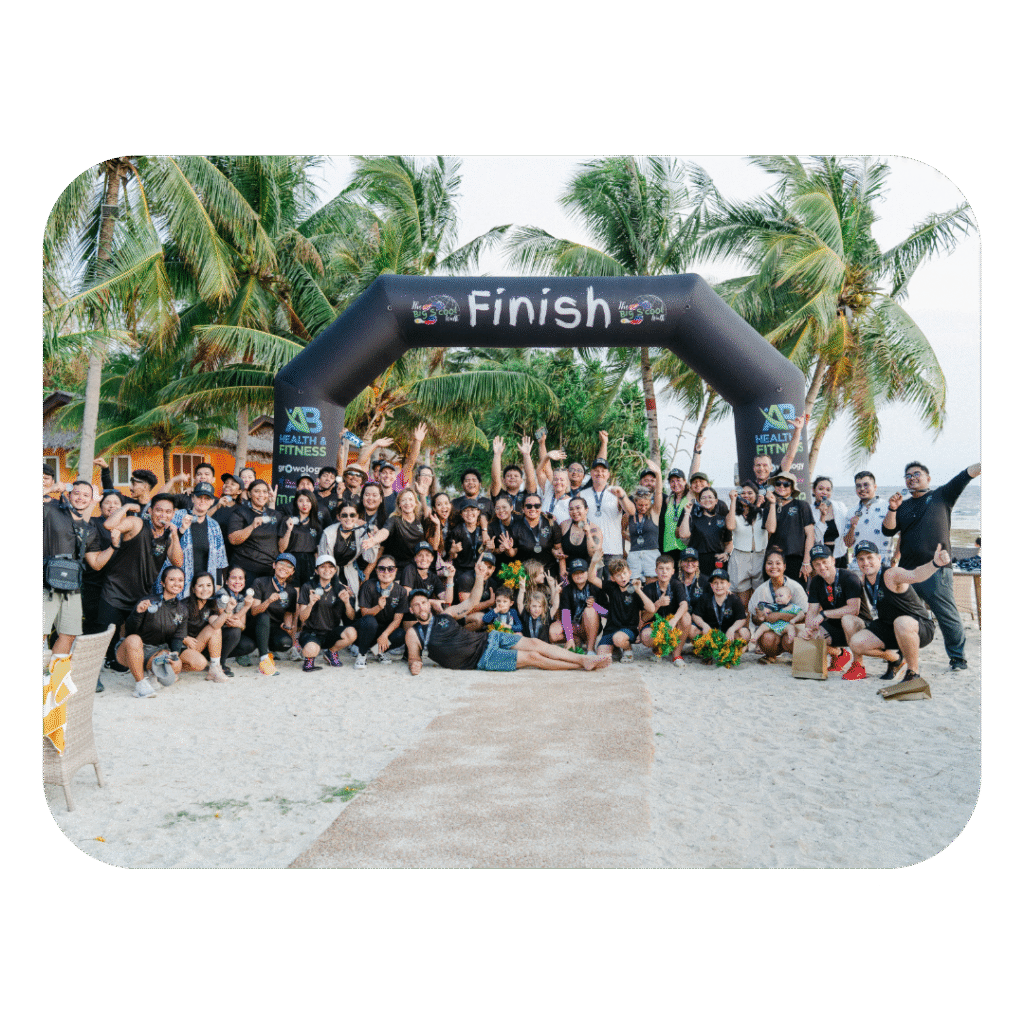
At The Big S’Cool Walk, we believe every step taken in support of education helps create these outcomes. Walking is more than movement. It is a way to stand alongside students as they shape their futures.
Education changes lives when it is supported, accessible, and valued beyond the classroom.
By joining The Big S’Cool Walk, you help provide students with the tools, confidence, and opportunity they need to keep learning and growing.
Learn more or join at www.thebigscoolwalk.org
Discover how walking together creates lasting impact, why learning continues beyond the school year, and how The Big S’Cool Walk helps carry education forward.
Discover why supporting students during school year transitions matters, how resources and community support protect learning, and how The Big S’Cool Walk helps shape futures.
Discover how education shapes confidence, life skills, opportunity, and community impact beyond the classroom, and how The Big S’Cool Walk supports students’ futures.
Discover why reflecting on the school year helps students build confidence, resilience, and stronger futures, and how walking for education creates lasting impact.
Discover how walking together builds belonging, strengthens communities, and creates lasting impact through The Big S’Cool Walk supporting education equality.
Discover how small acts of kindness create real impact in education and how walking, fundraising, and community action through The Big S’Cool Walk change lives.